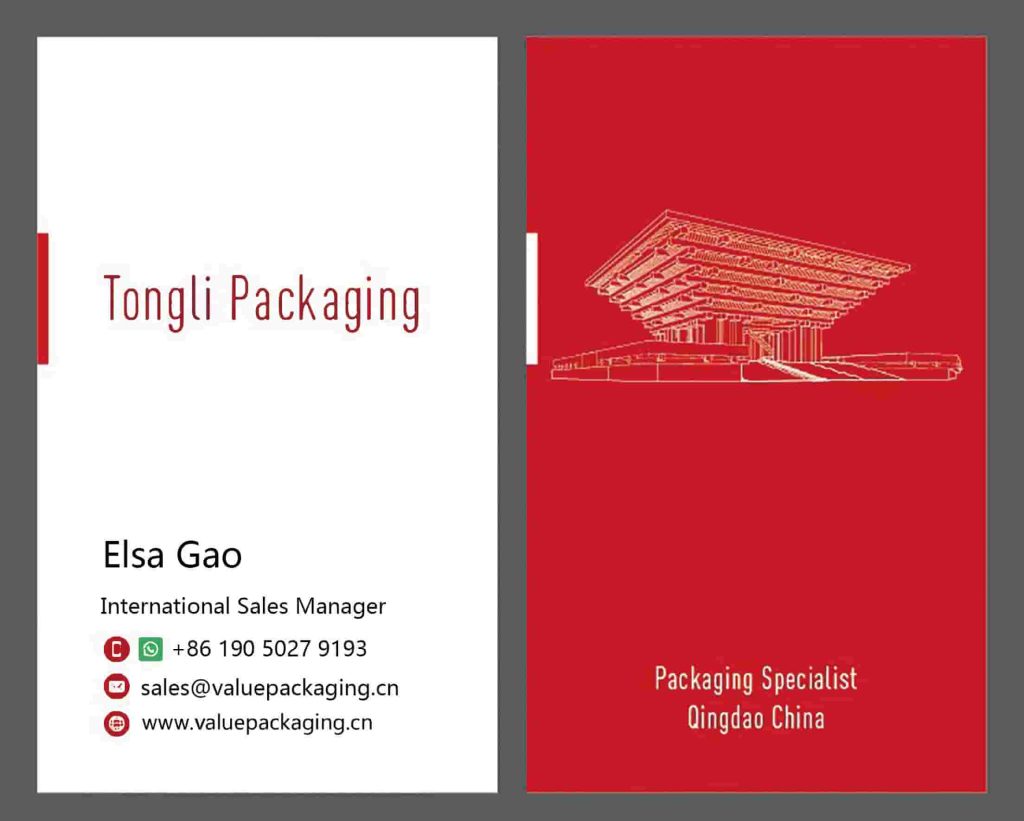
In today’s environmentally-conscious world, businesses are increasingly seeking sustainable solutions for product packaging. This shift toward eco-friendly packaging is not only important for reducing environmental impact but also appeals to an audience that prioritizes sustainability. Turmeric powder, a staple in many kitchens worldwide, is no exception. Packaging plays a crucial role in preserving the quality and flavor of this vibrant spice, while also reflecting a commitment to sustainability.
This article explores sustainable packaging ideas for turmeric powder, focusing on three major material categories used in market applications:Conventional materials、Compostable materials、Recyclable materials
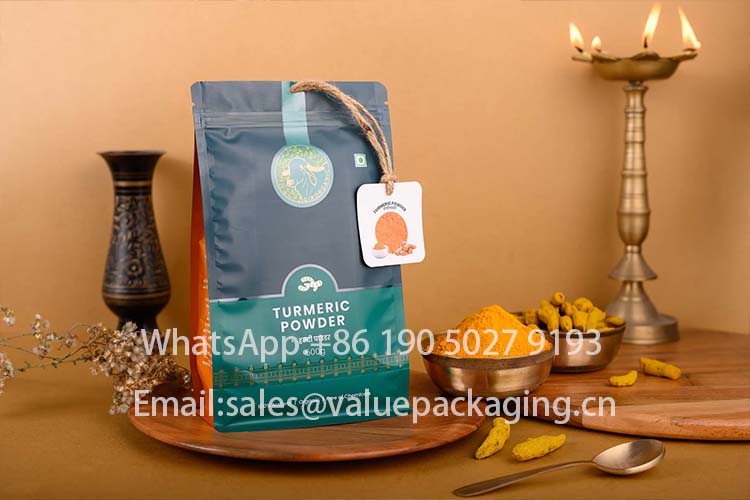
Conventional Materials for Turmeric Powder Packaging
Despite the rise of sustainable alternatives, conventional laminated materials remain widely used in turmeric powder packaging due to their excellent barrier performance.
Why Turmeric Needs High-Performance Packaging
Turmeric powder is highly sensitive to:
Moisture (causes clumping),Oxygen (leads to oxidation and color fading),Light (degrades curcumin and reduces potency)
Common Material Structures
VMPET (Vacuum Metallized PET) film is a high-performance flexible packaging material produced by depositing an ultra-thin layer of aluminum onto a polyester (PET) substrate through vacuum metallization. The aluminum layer, typically around 30–50 nm thick, significantly enhances the film’s barrier properties while maintaining low weight and good mechanical strength.
VMPET film offers a strong balance of moisture barrier (WVTR ~0.3–0.8 g/m²·day) and oxygen barrier (OTR ~0.5–5 cc/m²·day), making it suitable for a wide range of food packaging applications. It also provides excellent light and UV protection, which is critical for preserving product quality in sensitive goods such as coffee, snacks, and powdered products.
Performance Comparison of PET/AL/LDPE and PET/VMPET/LDPE
| PET/AL/LDPE | PET/VMPET/LDPE | Conclusion | |
| OTR | ~0.5 cm³/(m²·24h·atm) | ~2-5 cm³/(m²·24h·atm) | Aluminum foil is superior |
| WVTR | ~0.5 g/(m²·24h) | ~2-5 g/(m²·24h) | Aluminum foil bags exhibit superior moisture resistance. |
| Anti-puncture | Generally (aluminum foil is brittle and prone to cracking) | Excellent (The VMPET substrate is PET with good toughness) | Aluminum foil bags are not resistant to folding. If the aluminum foil layer is bent during sealing or use, it may develop micro-cracks, leading to localized barrier failure.Aluminum-coated bags do not have this issue. |
| quality guarantee period | Over 24 months | 12-18 months | Aluminum foil has a long shelf life |
Compostable Materials: Leading the Sustainable Charge
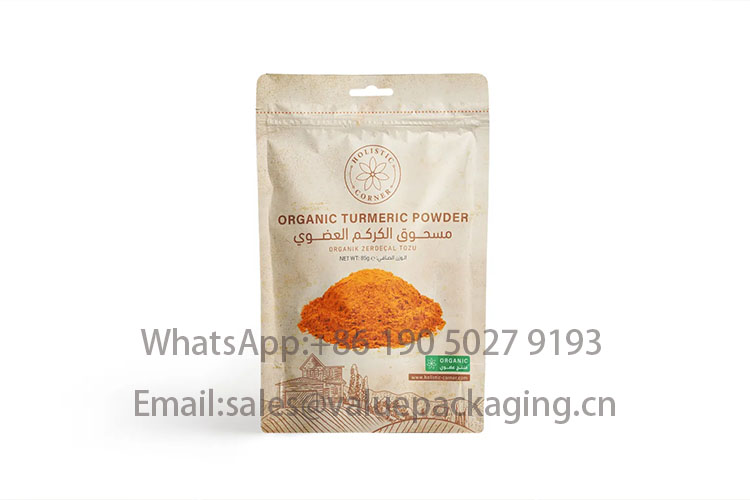
Compostable materials are increasingly being recognized as one of the most promising solutions for eco-friendly packaging. These materials break down in composting conditions and do not contribute to landfill waste, making them an ideal option for businesses looking to reduce their environmental footprint.
Compostable Substrates
- BOPLA Film
- PLA+PBAT Film
- Kraft Paper
- Metallized Paper
- Cellulose Film
- Metallized Cellulose Paper
- PBS Film
- PVDC Coated Cellulose Film
Recyclable Materials: A Circular Economy Approach
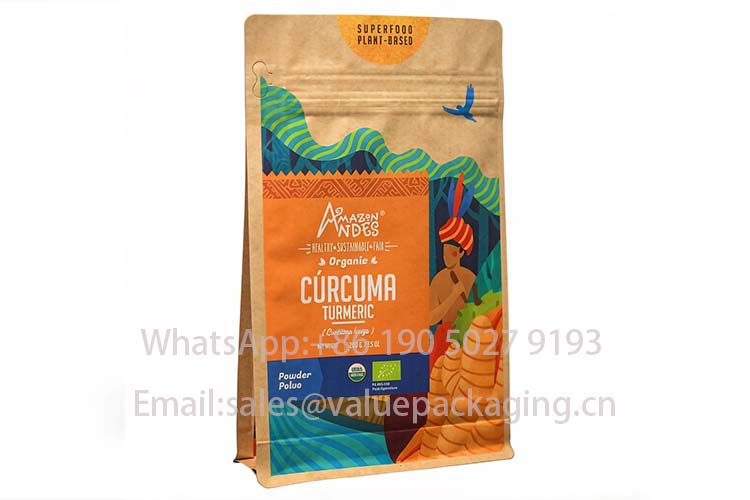
Recyclable packaging materials are an essential part of the eco-friendly packaging landscape. These materials can be reused in the production of new products, reducing the demand for virgin raw materials and minimizing waste in landfills.
MDOPE/EVOH-LDPE
MDOPE/BOPE/EVOH-LDPE
MDOPE/MDOPE/EVOH-LDPE
Structural Performance Characteristics of MDOPE/EVOH-LDPE Composites
| numeric value | |
| OTR | 1-5 cm³/m²·24h |
| WVTR | 6-8 g/m²·24h |
BOPE VS PET
| Feature | BOPE (Biaxially Oriented PE) | PET (Polyethylene Terephthalate) |
| Barrier to Moisture (WVTR) | Moderate: 3–10 g/m²·day (depending on thickness/orientation) | Low: 1–5 g/m²·day (depending on thickness; better than BOPE) |
| Barrier to Oxygen (OTR) | Low: 50–200 cc/m²·day | Moderate: 10–50 cc/m²·day (can be improved with metallization) |
| Transparency | Excellent clarity, glossy | Excellent clarity, glossy; can be metallized for opaque or barrier |
| Mechanical Strength | Good tensile strength, high elongation | High tensile strength, excellent dimensional stability |
| Printing | Compatible with flexo and rotogravure | Excellent for rotogravure; may require primer for ink adhesion |
Conclusion
Eco-friendly packaging for turmeric powder is evolving rapidly, offering brands multiple ways to reduce environmental impact while maintaining product quality.
By integrating sustainable materials into formats such as pouch, doypack, bag, sachet, pack, and packet, brands can meet growing consumer demand for environmentally responsible products while enhancing their market competitiveness.
Investing in eco-friendly turmeric powder packaging is not only beneficial for the planet but also a powerful strategy to improve SEO rankings, attract conscious consumers, and build long-term brand value.