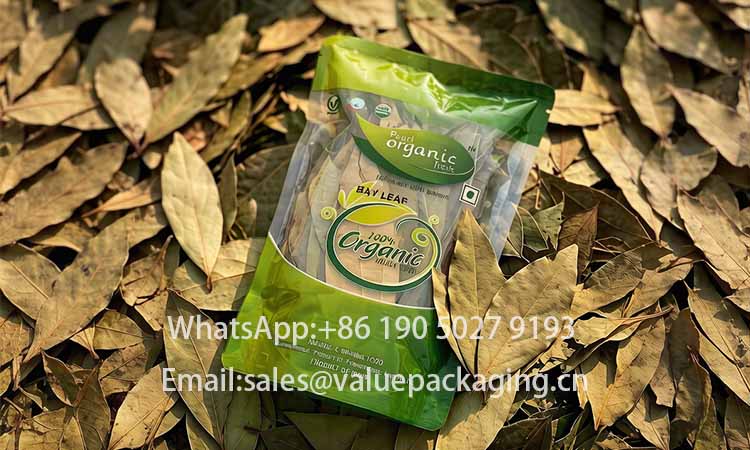
As global consumers continue to prioritize sustainability, even traditional spices like bay leaves are entering a new era of eco-conscious packaging. Bay leaves, widely used in culinary applications for their aroma and flavor, require proper protection from moisture, oxygen, and contamination to maintain quality during storage and distribution. At the same time, brands are under increasing pressure to adopt eco-friendly bay leaf packaging solutions that align with environmental goals.
From retail-ready pouch and doypack formats to bulk bag, sachet, pack, and packet solutions, sustainable materials are transforming how bay leaves are packaged and presented in the market.
Sustainable Packaging Options for Cinnamon Sticks
1. Conventional Materials
Traditional laminated films are widely used due to their reliability and cost-effectiveness.
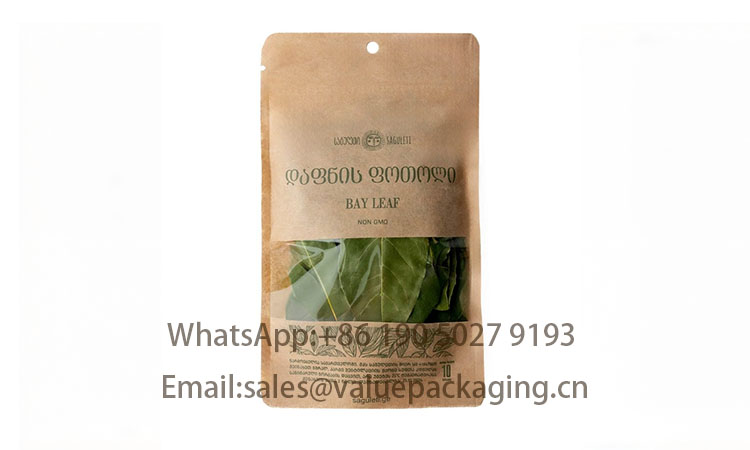
Common Structures:
- BOPP / VMPET / LDPE
- PET / LDPE
- Kraft Paper / LDPE
- PET/CPP
- BOPP/VMPET/CPP
- BOPP/CPP
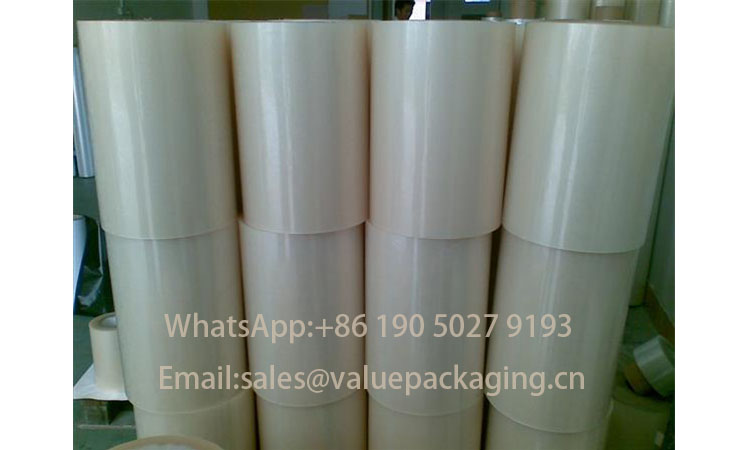
Cast polypropylene (CPP) film is a low-density, unoriented plastic film that’s often used in flexible packaging.
CPP film can also be customized to meet specific packaging, performance, and processing needs. For example, metalized high barrier CPP films are often used in food packaging because they’re tear resistant and robust. CPP film can also be printed using flexographic or rotogravure methods, which can provide brand marketing benefits.
Some companies, like Profol, have developed additives that make CPP film biodegradable. When treated with an additive called EcoPure, CPP film remains stable during its shelf life but will biodegrade once it comes into contact with microorganisms in landfills or dirt.
Difference of CPP Film and LDPE Film
| CPP Film | LDPE Film | |
| Heat resistance | Excellent The softening point is approximately 140°C. Steaming-grade CPP (RCPP) can withstand high temperatures of 121°C during steaming. | General The melting point is 105–125°C, and the typical operating temperature does not exceed 90°C. |
| Cold resistance | Poor | Good Remains soft even at low temperatures of-70°C |
| Mechanical stiffness | High The texture is firm, and the film is resistant to deformation. | Low The texture is extremely soft. |
| optical performance | Extrremely excellent Exhibits excellent transparency, high gloss, and an attractive appearance. | It appears translucent and milky white with low glossiness. |
This video provides a great overview of CPP film about Tensile Strength and Elongation
2.Compostable Materials
Compostable Substrates
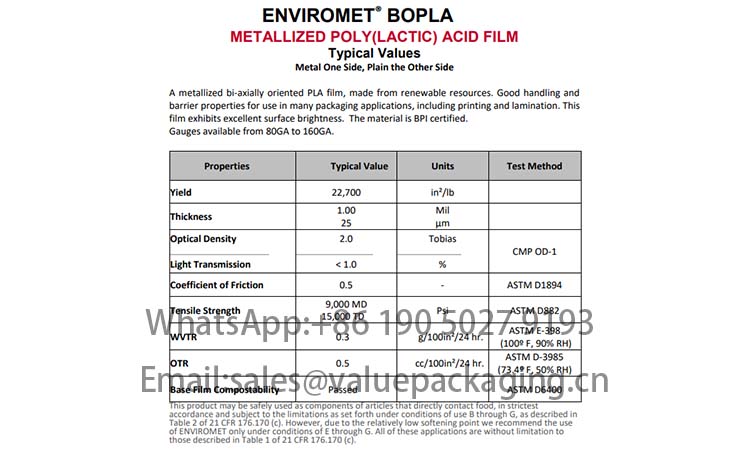
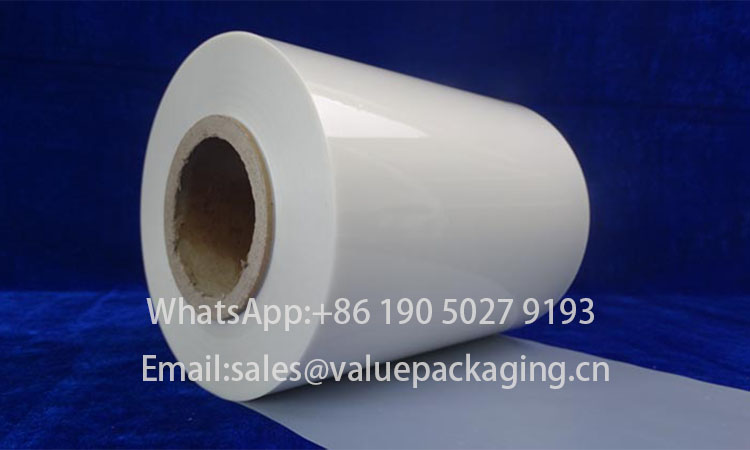
BOPLA film has many properties that make it a good packaging material, including:
- Biodegradable: It can break down quickly and decompose under composting conditions
- Sustainable: It’s made from a renewable resource
- Resistant: It’s resistant to oil and fat
- Optical properties: It has high gloss and low haze
- Mechanical strength: It’s tear resistant
- Seals: It can form strong seals at low temperatures
- Moisture transmission: It has high moisture transmission
BOPLA film can be used for many applications, including:
Fresh produce, Bakery products, Dry pasta, Candies, Frozen food, Stationery, Tape, Bread bags, Shrink sleeve films, and Label films.
Compostable Laminates
3. Recyclable Materials
Mono Materials
MDOPE Film
LDPE Film
BOPE Film
BOPP Film
CPP Film
VMCPP Film
Typical structures:
- MDOPE / LDPE
- BOPE / LDPE
- BOPP/CPP
- BOPP/VMCPP
Conclusion
Eco-friendly bay leaf packaging represents an important step toward sustainable food systems, combining product protection with environmental responsibility. While bay leaves are a relatively stable dried product, maintaining their aroma and quality still requires careful control of moisture and oxygen exposure. This makes packaging selection a balance between performance and sustainability.
Conventional materials such as PET/VMPET/PE continue to offer reliable barrier protection, especially for long shelf life and export markets. However, recyclable mono-material structures like MDOPE/PE are becoming increasingly popular due to their compatibility with recycling systems and adequate moisture barrier for dried spices. Compostable materials, including PLA and PBS-based films, provide strong eco-branding advantages, although they are better suited for shorter shelf-life applications.