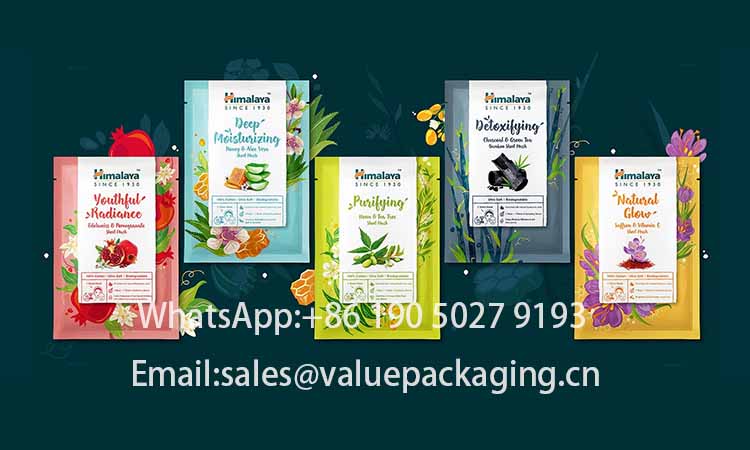
In the hyper-competitive beauty industry, the facial mask remains a hero product. However, as global plastic regulations tighten and consumer eco-consciousness rises, the conversation has shifted from “How do we make it look premium?” to “How do we make it sustainable without ruining the formula?”
The challenge is unique: facial masks are “wet” products, saturated with active essences that are sensitive to oxygen and moisture. Choosing the right packaging is a delicate balance between shelf-life stability and environmental responsibility.
Traditional Facial Mask Packaging Materials
Traditional cosmetic flexible packaging focuses heavily on high barrier performance and premium appearance.
PET/AL/LDPE
PET/VMPET/LDPE
PET/AlOxPET/LDPE
Deep Dive: Barrier Performance (OTR & WVTR)
In packaging science, two metrics define success:
- OTR (Oxygen Transmission Rate): Measured in cc/m²·24h. Lower is better for preventing oxidation.
- WVTR (Water Vapor Transmission Rate): Measured in g/m²·24h. Lower is better for preventing the mask from drying out.
Barrier Performance
| Structure | WVTR | OTR |
| PET/AL/LDPE | 0–0.1 g/m²·day | ~0 cc/m²·day |
| PET/VMPET/LDPE | 0.5–1.5 g/m²·day | 0.5–5 cc/m²·day |
| PET/AlOxPET/LDPE | 0.5–1.5 g/m²·day | 0.5–3 cc/m²·day |
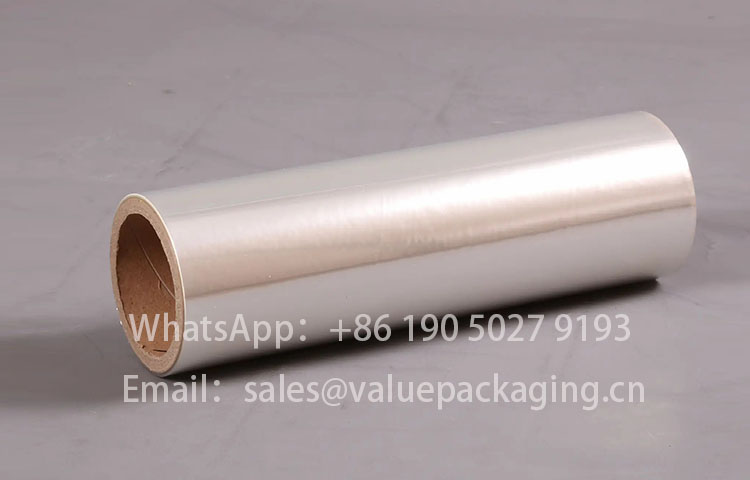
SiOx or AlOx coated PET film is usually called ceramic coated film, which also has a short name as GL (means good layer) film in Japan. With all these high barrier films well applied in flexible packaging applications, this ceramic coated PET film is developed as the food packaging requires further functions as below
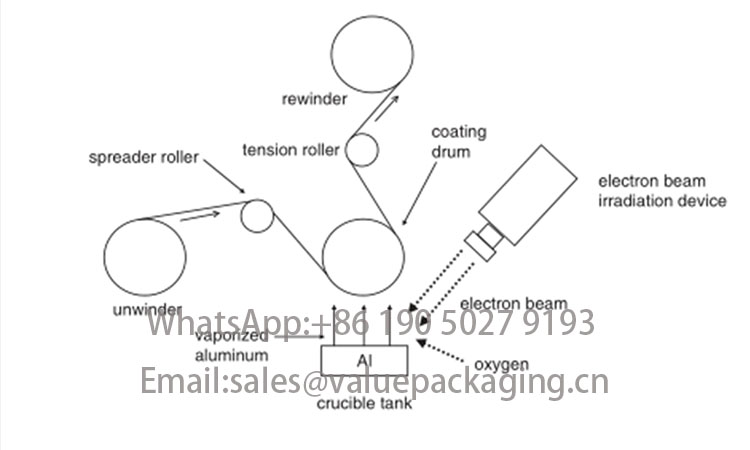
PET/AlOxPET/LDPE is an advanced flexible packaging structure that combines premium appearance, strong barrier protection, and improved sustainability direction for facial mask packaging applications.
The PET layer provides excellent printing and structural strength, AlOxPET delivers high oxygen and moisture barrier performance, and LDPE ensures reliable sealing and product compatibility. Together, this structure creates an ideal solution for modern cosmetic pouch, sachet, packet, bag, and doypack packaging.
As skincare brands continue pursuing both product performance and sustainable packaging innovation, PET/AlOxPET/LDPE is becoming an increasingly attractive choice for high-end facial mask packaging in the global beauty market.
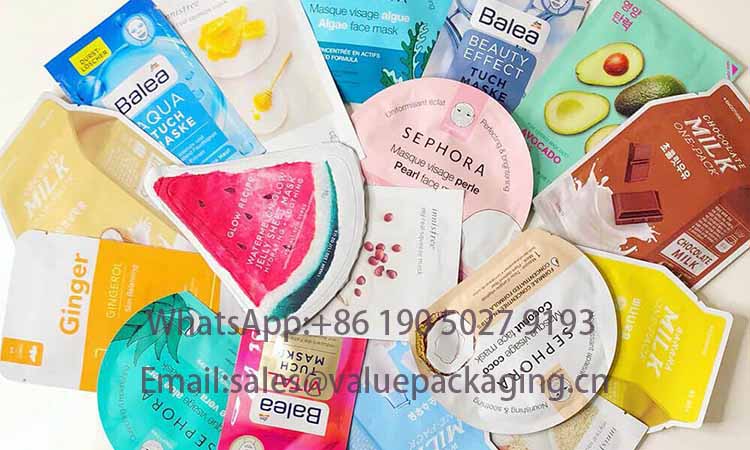
Recyclable Facial Mask Packaging Materials
Sustainability is becoming a major purchasing factor in the beauty industry. Many cosmetic brands are now developing recyclable facial mask packaging solutions.
PE Mono Materials
PE Mono-Material Laminate
Barrier Performance
| Structure | WVTR | OTR |
| BOPE/APE | 3–6 g/m²·day | 150–300 cc/m²·day |
| MDOPE/LDPE | 2–5 g/m²·day | 50–150 cc/m²·day |
| MDOPE/HDPE/APE | 2–4 g/m²·day | 40–120 cc/m²·day |
| MDOPE/BOPE/APE | 2–5 g/m²·day | 30–100 cc/m²·day |
| MDOPE/EVOH-LDPE | 1–3 g/m²·day | 0.5–10 cc/m²·day |
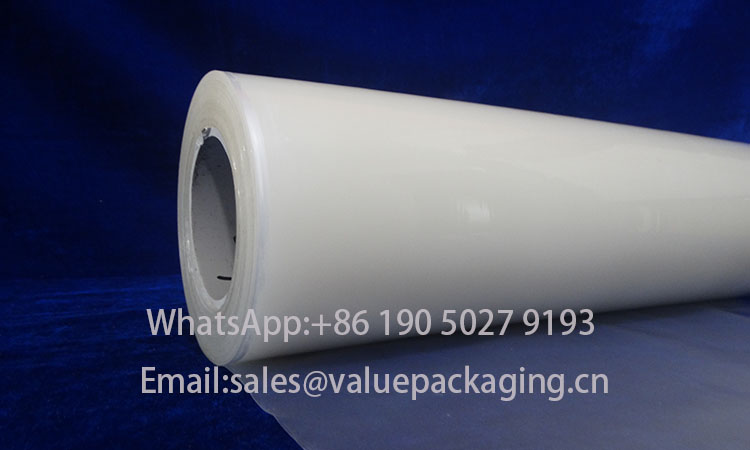
APE is intended to describe the low density polyethylene film with a layer of PVA (Poly-vinyl-alcohol) coating.
Polyvinyl alcohol (PVA) coating is a film coating made from a synthetic, water-soluble polymer that is non-toxic and biodegradable. PVA is also known as PVOH or PVAl. It is often used in pre-mixed coating formulations, but its properties can be adjusted to meet specific needs during development.
PVA is used in many applications, including:
Paper coatings, Adhesives, Textiles, Films, Food packaging, and Laundry detergent.
PVA is becoming more popular because it has a relatively low environmental impact compared to other plastics. When exposed to moisture and microorganisms, PVA breaks down into non-toxic components. PVA is usually supplied in powder form, but it can also be supplied as beads or in liquid form. When preparing a PVA solution, it’s important to disperse the powder in cold water before heating it to dissolve it fully.
| Component Attribute | Typical Composition | Structure |
| Pure water-based / refreshing type | Hyaluronic acid, pure extract, nicotinamide | MDOPE / LDPE |
| Oily/Trophic Type | Retinol oil, squalane, plant essential oils | MDOPE / EVOH-PE |
Please review the ingredient list of your product and check whether any “oils” or “esters” appear among the top five ingredients. If so, we must prioritize enhancing the oil resistance of the inner layer.
Conclusion
Facial mask packaging requires a careful balance between high barrier performance, product protection, sustainability, and premium visual appeal. Traditional multilayer materials such as PET/AL/PE and PET/VMPET/PE continue to provide excellent moisture and oxygen protection for sensitive cosmetic formulations. However, the beauty industry is rapidly moving toward recyclable mono-material solutions that reduce environmental impact while maintaining acceptable barrier performance.
Innovative structures like MDOPE/LDPE and MDOPE/EVOH-PE are emerging as promising sustainable alternatives for facial mask pouch, sachet, packet, bag, and doypack applications. These recyclable structures help cosmetic brands meet growing consumer demand for eco-friendly packaging while supporting circular economy goals.
As sustainable beauty packaging continues to evolve, companies that successfully combine technical barrier performance with recyclable material innovation will gain a significant competitive advantage in the global skincare market.