
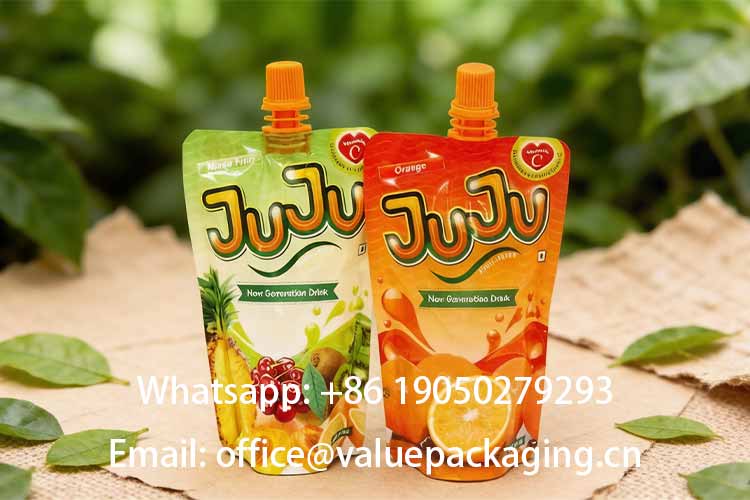
As consumers become more environmentally conscious, the demand for sustainable juice pouch packaging has increased. Unlike rigid containers such as bottles or cartons, juice pouches offer flexibility, portability, and convenience. However, sustainability in juice pouch packaging faces challenges, especially around recyclability and material efficiency.
Using recyclable materials like mono-material pouches and biodegradable options is essential to reducing environmental impact. These materials simplify recycling and minimize waste. Achieving sustainability also requires considering barrier performance and end-of-life management. This article will explore the materials that make juice pouches eco-friendly and the innovations driving packaging sustainability.
1. The Challenges of Sustainable Juice Pouch Packaging
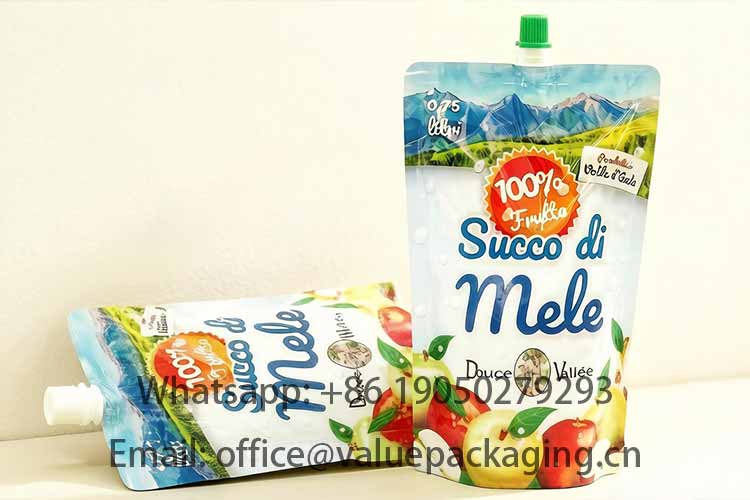
Juice pouches, unlike traditional bottles or cartons, require a balance between flexibility, strength, and barrier protection. They must protect juice from external factors like oxygen, light, and moisture to maintain freshness and flavor. However, achieving this protection often means using multi-layered materials that combine plastics, aluminum, and sometimes paperboard.
Common Packaging Materials for Juice:
Juice pouches require a balance of flexibility, strength, and barrier protection to preserve freshness and flavor. Materials like PET film and VMPET film offer excellent oxygen and moisture barriers, while aluminum foil protects against light. These multi-layer structures, however, complicate recycling, as they are difficult to separate and process.
Materials such as Kraft paper are used for their eco-friendly appearance but need to be combined with plastic or aluminum to ensure proper protection. LDPE, BOPP, and PA films provide flexibility and strength, while metallized PET enhances barrier properties and appearance. While these materials ensure quality, they present challenges for recycling and environmental sustainability.
2. Common Layer Combinations in Juice Packaging
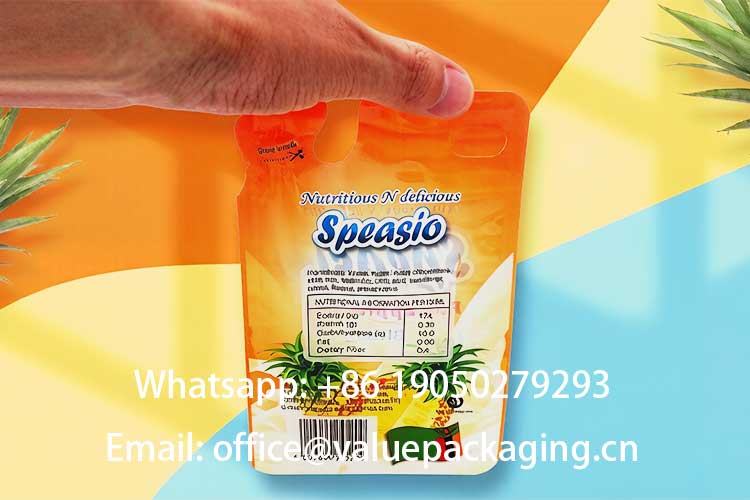
To better understand the sustainability of juice pouch packaging, let’s look at the most commonly used packaging structures. Juice pouches are designed to protect the product from external factors like oxygen, light, and moisture, which can affect flavor, color, and nutritional value. To achieve this, packaging structures often rely on multiple layers of materials. Each layer serves a specific function, such as providing a barrier to oxygen, preventing the leakage of liquids, or protecting the juice from light exposure that can degrade its quality.
Common Layer Combinations in Juice Packaging:
- PET / AL / PE
- BOPP / VMPET / PE
- PET / VMPET / PE
- Matte BOPP/VMPET/PE
- PET/VMPET/LDPE
- Matte BOPP/LDPE
- PET/AL/PA/LDPE
- PET/PET/LDPE
- PET/AL/PET/LDPE
- PET/PA/LDPE
- PET/LDPE
However, despite the effectiveness of these multi-layered materials in protecting the juice, they are difficult to recycle in most waste management systems. The combination of plastics, aluminum, and coatings complicates the separation process, making it more challenging for recycling facilities to process them properly. This presents significant sustainability challenges, as these packaging materials often end up in landfills or incinerators, contributing to environmental waste.
3. The Shift Toward Mono-Material Juice Pouches
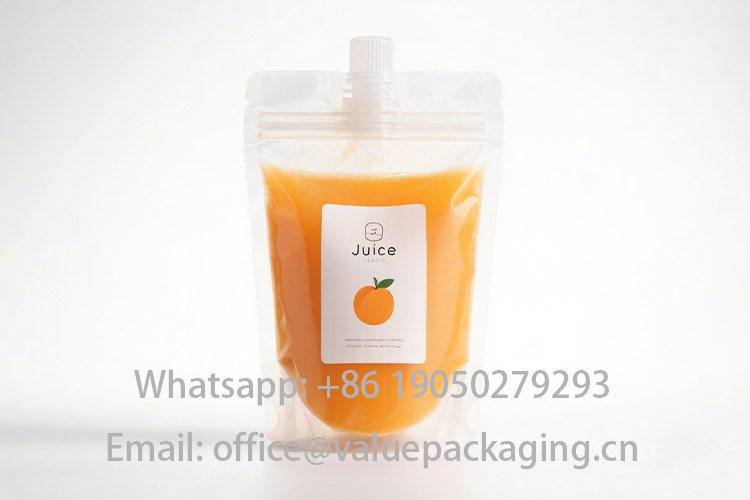
The shift toward mono-material juice pouches is becoming a key trend in sustainable packaging. As the industry seeks to reduce environmental impact, single-material pouches made from materials like PE (Polyethylene), PP (Polypropylene), and advanced barrier films are gaining traction. These materials simplify the recycling process and help improve the overall sustainability of juice packaging.
Common materials used in mono-material juice pouches include:
Additionally, PP-based films such as ABOPP Film and CPP Film are used in mono-material laminates for juice packaging. These films provide the necessary moisture, oxygen, and light barriers while being recyclable in existing systems, making them a practical alternative to more complex multi-layered structures.
The shift to mono-material pouches is not only driven by recyclability but also by the need for materials that offer durability, heat resistance, and improved barrier performance. As material technology advances, these single-material pouches are becoming a more viable option for juice brands seeking to meet sustainability goals without compromising on product protection.
4. Compostable and Eco-Friendly Pouches: A Promising Option
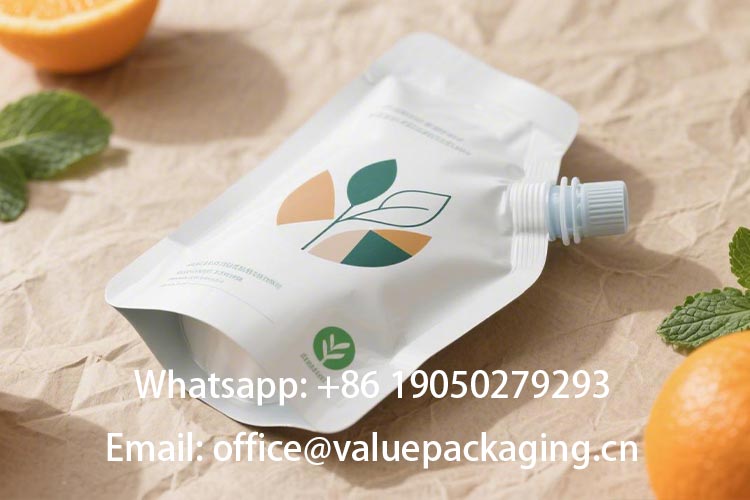
With increasing consumer demand for sustainable packaging, compostable juice pouches are becoming a promising option for environmentally conscious brands. These pouches are made from materials that can decompose naturally, reducing their environmental impact compared to traditional plastic-based packaging. Compostable substrates like BOPLA film, PLA+PBAT film, and cellulose film offer an environmentally friendly alternative, as they are derived from renewable resources and break down more easily in composting environments.
Common compostable materials include:
- BOPLA Film
- PLA+PBAT Film
- Kraft Paper
- Metallized Paper
- Cellulose Film
- Metallized Cellulose Paper
- PBS Film
While these compostable materials offer clear environmental advantages, their performance must also meet the functional requirements of juice packaging. Juice pouches require reliable oxygen and moisture barriers to preserve freshness, flavor, and nutritional value. Therefore, compostable substrates are often combined into laminate structures to enhance overall barrier performance and mechanical strength. The effectiveness of these materials depends not only on their biodegradability but also on their ability to maintain product stability throughout the intended shelf life.
5. Sustainability Meets Protection: Barrier Properties of Compostable Juice Pouches
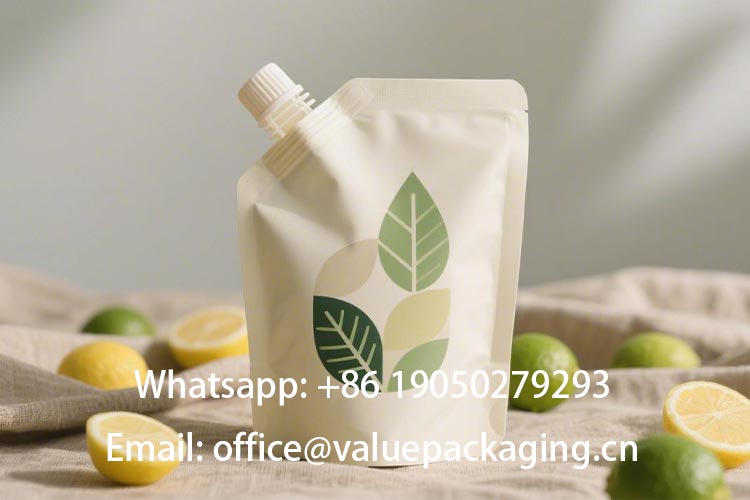
Juice pouches must offer excellent barrier properties to maintain the freshness and nutritional integrity of the juice. The most critical factors that juice packaging must protect against include:
- Light: Light can break down vitamins and alter the color of juice.
- Oxygen: Exposure to oxygen can cause oxidation, which degrades flavor and nutrients.
- Moisture: Moisture can compromise the integrity of the pouch and lead to contamination or spoilage.
Compostable laminates combine these materials to enhance moisture and oxygen barriers while maintaining compostability. These laminates ensure the product’s freshness and extend shelf life, while still being friendly to the environment when disposed of correctly.
Common compostable laminates materials include:
- Cellulose/Metallized Cellulose/PLA+PBAT Membrane
- Kraft Paper/Metallized Cellulose/PLA+PBAT Membrane
- Cellulose/Metallized Paper/PLA+PBAT Membrane
- Kraft Paper/Cellulose/PLA+PBAT Membrane
- Kraft Paper/Cellulose/PBS Membrane
- Metallized Paper/Cellulose/PLA+PBAT Membrane
To better evaluate the performance of these compostable laminate structures, it is important to look at their actual oxygen transmission rate and water vapor transmission rate values. The following table presents representative barrier data for selected compostable laminate combinations, allowing for a more practical comparison of their suitability for juice pouch applications.
| Cellulose20/Metallized Cellulose20/PLA+PBAT60 | 18 | 2.1 |
| Cellulose20/Metallized Cellulose20/BOPLA40 | 19 | 2.2 |
| K-Cellulose22/Metallized Cellulose20/PLA+PBAT60 | 8 | 0.5 |
| Metallized Paper 69g/Cellulose30/PLA+PBAT60 | 5.6 | 1.12 |
| Kraft45g/Metallized Cellulose20/PLA+PBAT60 | 26 | 2.22 |
| Cellulose30/Metallized Paper69g/PLA+PBAT60 | 8.9 | 1.1 |
6.Conclusion
In conclusion, sustainable juice pouch packaging requires a careful balance between environmental responsibility and product protection. While traditional multi layer structures provide strong barrier performance, they present recycling challenges. Mono material pouches improve recyclability within existing systems, and compostable laminates offer an alternative for reducing long term environmental impact where proper composting facilities are available. Ultimately, the future of juice pouch packaging depends on selecting materials that deliver reliable oxygen, moisture, and light protection while aligning with evolving sustainability goals and waste management infrastructure.