
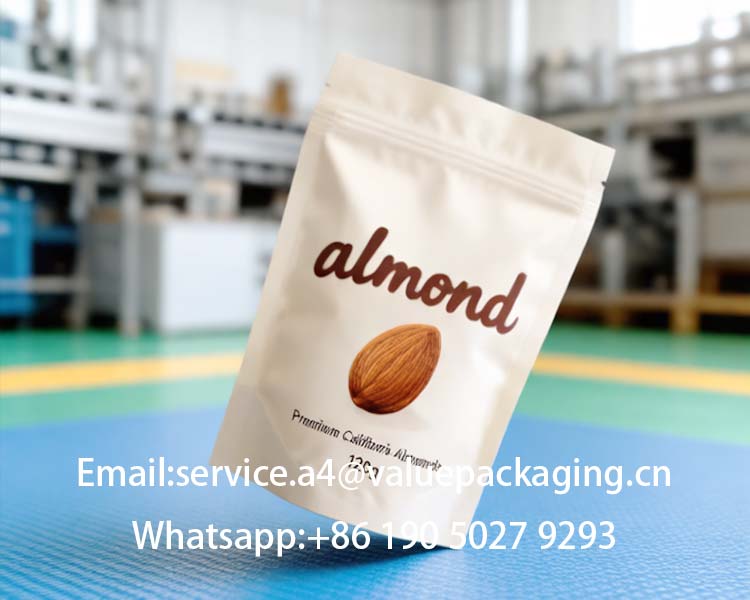
In the packaging industry, testing is part of daily operations. An almond pouch may undergo multiple evaluations, including drop test, airtight property test, anti-pressure test. Yet before any of these assessments can deliver meaningful results, packaging must first prove its ability to withstand physical impact during transportation and handling.
For almond packaging, this requirement is especially critical. Almonds are often packed in sealed pouches and shipped in bulk, exposed to frequent drops, stacking pressure, and rough handling. If a pouch fails at this basic level, advanced barrier or shelf life tests offer little real value. Drop testing therefore forms the foundation of reliable almond packaging.
1. Physical Impact Challenges in Almond Packaging
Unlike liquid products, almonds are solid and adamant, especially in medium and large size packs. During transportation, repeated drops and sudden impacts create stress concentrations in specific areas of the pouch.
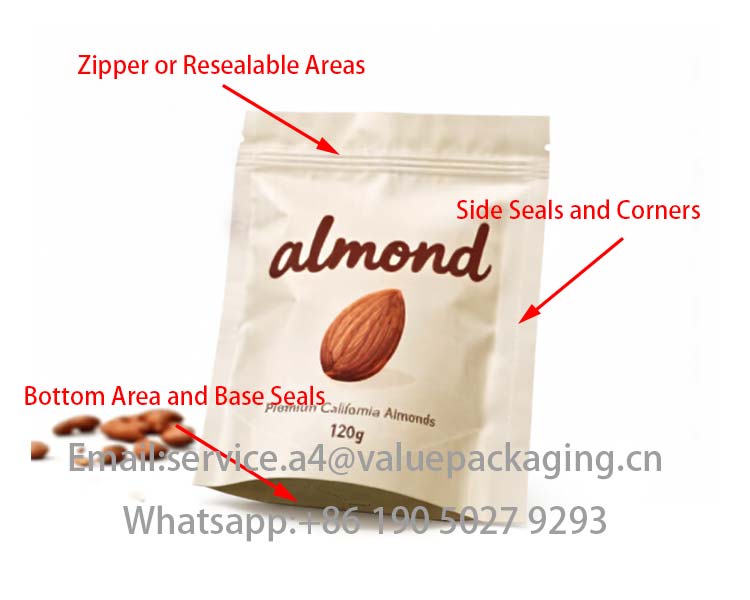
Bottom Area and Base Seals
When a filled almond pouch is dropped, the weight of the nuts directly impacts the bottom area. Weak seals or insufficient material strength may lead to seal splitting or micro tears after impact.
Side Seals and Corners
Almonds have hard edges that can shift during impact. This movement increases stress on side seals and corners, where inconsistent sealing or weak lamination can cause rupture or slow leakage.
Zipper or Resealable Areas
For resealable almond pouches, the zipper area often becomes a vulnerable point. Impact forces may compromise zipper alignment or sealing performance, affecting both protection and consumer usability.
If a pouch fails, the result is not only product loss but also contamination risk and reduced consumer confidence. Drop testing helps identify these weak points before packaging reaches the market.
2. How Drop Testing Is Applied to Almond Pouches
Drop testing for almond packaging is designed to simulate real logistics conditions rather than ideal laboratory environments. Samples are randomly selected from production batches and filled with almonds or equivalent weight materials.
Typical test conditions include:
Drop heights between 0.8 and 1.5 meters
Multiple drop orientations, including flat, bottom, and side impacts
Repeated drops to evaluate cumulative damage
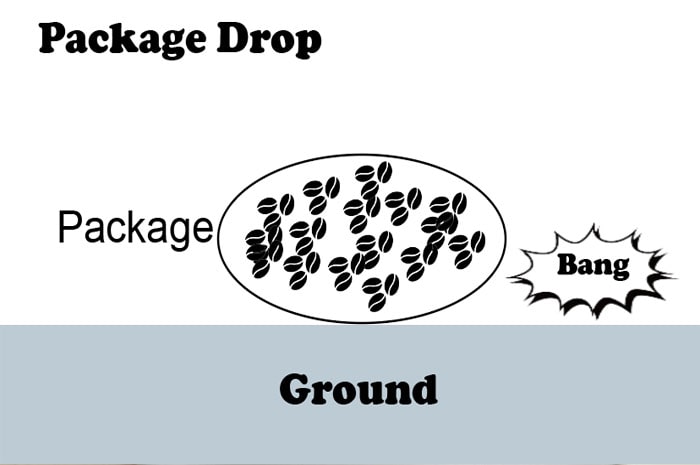
These tests allow manufacturers to observe how the pouch structure, seals, and materials respond to repeated impact under realistic conditions.
3. Our Drop Testing Approach
Sample Preparation
Almond pouches are randomly taken from bulk production and filled to their intended net weight. This ensures that internal movement and pressure are accurately represented.
Drop Height Selection
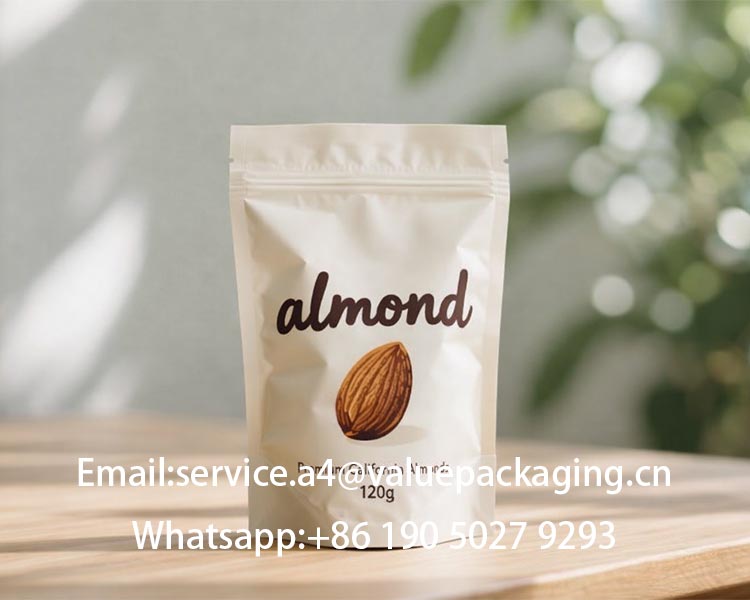
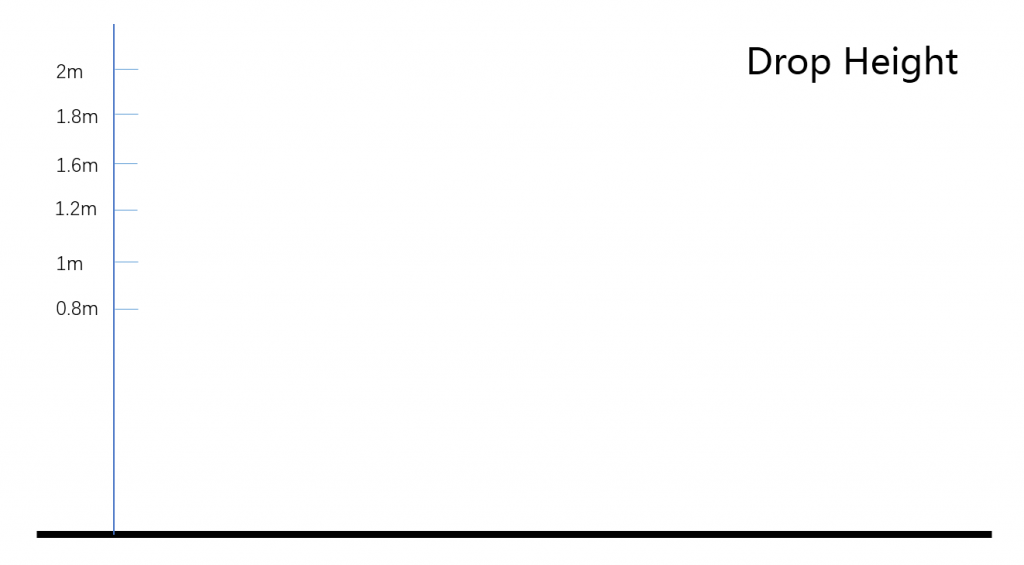
Retail almond packs are typically tested from heights that simulate drops from shelves, counters, and conveyors. Larger bulk packs may be tested at greater heights to reflect warehouse handling.
Drop height (0.8 m, 1.0 m, 1.2 m, 1.5 m, 1.6 m)
Orientation and Repetition
Each pouch is dropped several times in different orientations to test all critical stress areas, including the bottom, side edges, and zipper zone.
Inspection and Evaluation
After testing, pouches are inspected for seal damage, pinholes, zipper failure, and structural deformation. Only pouches that remain intact and functional pass the evaluation.
For further details, please refer to the video below.
4. Why Every Almond Nuts Package Must Pass a Drop Test First
Drop testing verifies whether the packaging can physically protect almonds throughout the supply chain. The following situations need to be avoided at all times from almond production to sale.
- Impact Damage: Almonds may crack or break if the packaging is not designed to absorb shocks effectively.
- Moisture Infiltration: Poorly sealed packaging could allow moisture to enter, leading to the almonds becoming soggy or losing their crisp texture.
- Contamination Risks: Weak packaging could lead to contamination from dust, dirt, or bacteria, affecting the quality of the almonds.
Drop testing helps identify potential failures in packaging design and materials that could compromise the quality of almonds. By understanding how the packaging reacts to drops and impacts, manufacturers can improve the design and materials used to protect the product.
By addressing physical durability first, subsequent tests on freshness and shelf life become far more meaningful.
5. Benefits for Almond Brands and Consumers
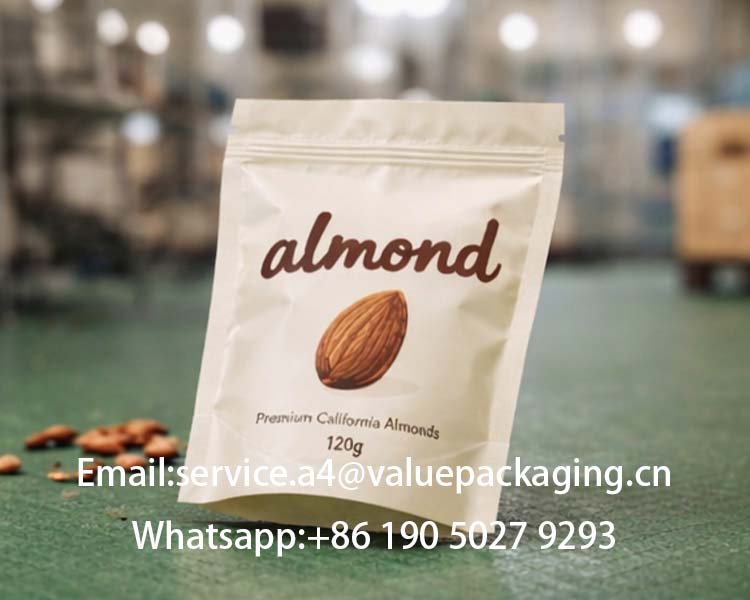
The primary objective of drop testing is to ensure that the packaging adequately protects its contents. For almond nuts, this means ensuring that the packaging absorbs impact energy, preventing the almonds from sustaining damage.
Absorbing Shock and Impact Energy
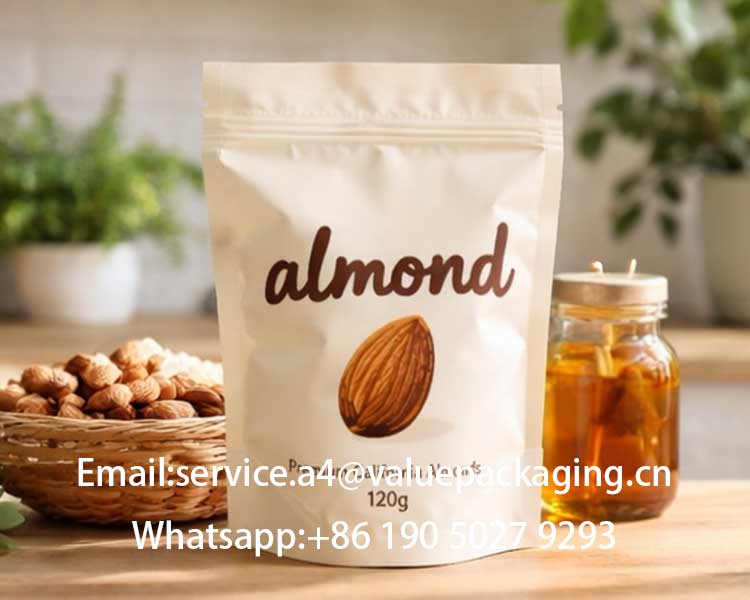
Almond nuts are fragile and can be easily damaged when subjected to physical impacts. Drop testing helps identify packaging designs that can absorb shock and reduce the force transmitted to the almonds. A good packaging design will distribute the impact forces across the surface of the package, preventing localized damage to the almonds.
By conducting drop tests at different heights and angles, manufacturers can determine the best materials and structural designs to protect almond nuts.
Testing the Sealing Integrity
Packaging for almond nuts needs to be tightly sealed to preserve freshness and prevent contamination. During drop testing, it is important to check how well the seals hold up under impact. For instance, a poorly sealed package could open or become compromised during a drop, exposing the almonds to external elements like moisture, air, or contaminants.
Drop testing allows manufacturers to assess whether the seals are durable enough to withstand impact. This ensures that the almonds remain fresh, free from contamination, and safe from environmental factors. Improved sealing mechanisms, such as heat sealing or tamper-evident seals, can be incorporated into packaging to provide better protection.
Ensuring Packaging Durability
Almond packaging needs to be durable enough to withstand multiple drops and impacts during transportation. Whether it is being handled by a retailer, a warehouse worker, or a delivery service, packaging is bound to face some degree of physical stress. Drop testing simulates real-world conditions and ensures that the packaging will hold up throughout the entire supply chain.
A durable package reduces the likelihood of product damage, which in turn leads to fewer returns, less wasted product, and a better overall consumer experience. Strong packaging can also lower the risk of damage during display in retail stores, ensuring that the product remains visually appealing to customers.
Reliable drop-tested packaging reduces product loss during transportation and handling. Consumers receive clean, intact pouches that protect almonds from contamination and quality degradation. Durable packaging also maintains its shape on retail shelves, reinforcing a premium brand image.
6. Drop Testing as Part of Quality Control
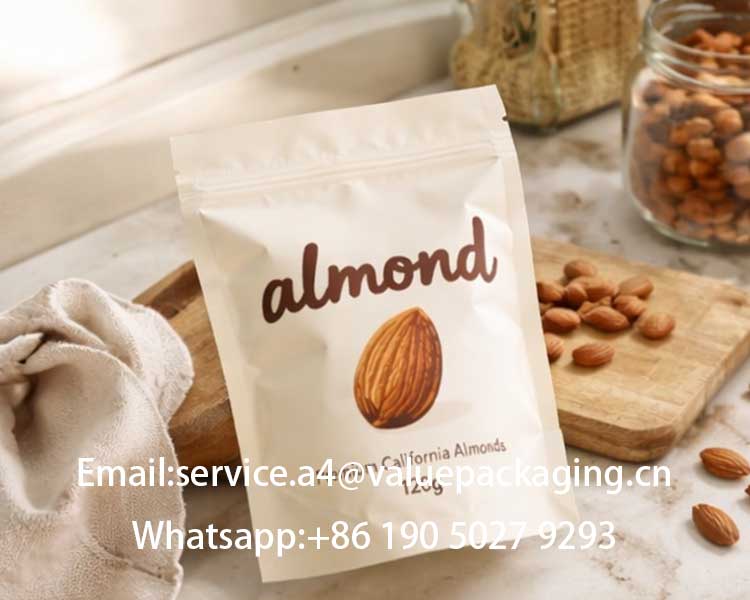
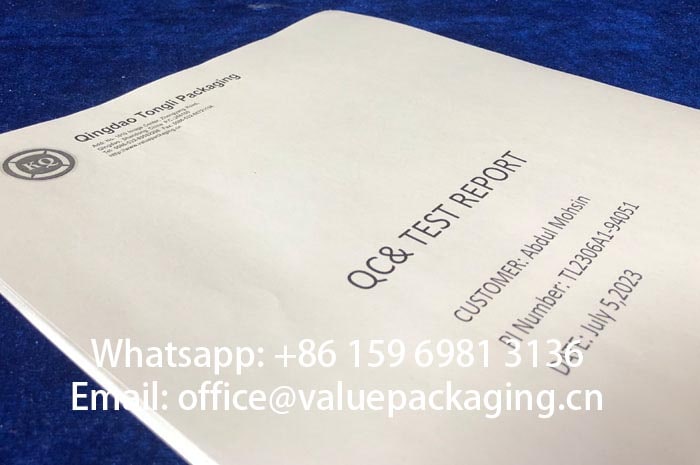
Drop testing is integrated into routine quality control for almond packaging to evaluate performance under realistic handling conditions. By simulating common drops and impacts during transportation and storage, this process helps confirm that each pouch can withstand everyday physical stress without compromising product protection.
Seal strength is verified under repeated impact, with attention given to bottom and side seals after drops in multiple orientations, such as flat, edge, and corner impacts. These tests reflect real handling scenarios and help identify potential weak points that may not appear in single-direction testing.
For resealable packaging, zipper performance is also checked after impact to ensure smooth operation and reliable resealability. This approach ensures that every almond pouch delivered meets consistent standards for durability, functionality, and reliability.
7. Conclusion
Drop testing is a fundamental step in building reliable almond packaging. Each successful test confirms that the pouch can withstand real-world impact, protect the almonds inside, and maintain functionality from factory to shelf.
By starting from impact resistance, almond packaging is designed not only to look good but also to perform consistently in real logistics environments, safeguarding both product quality and brand reputation.